Venezuelan Transition Diary

Perhaps it may one day matter to remember how we lived through these times. That’s why I’m sharing my impressions here, writing in the moment and without aesthetic pretension. I’m doing so candidly, trying to find words for what it feels like to inhabit this liminal space between hope and terror.


Friday, January 9, 2026

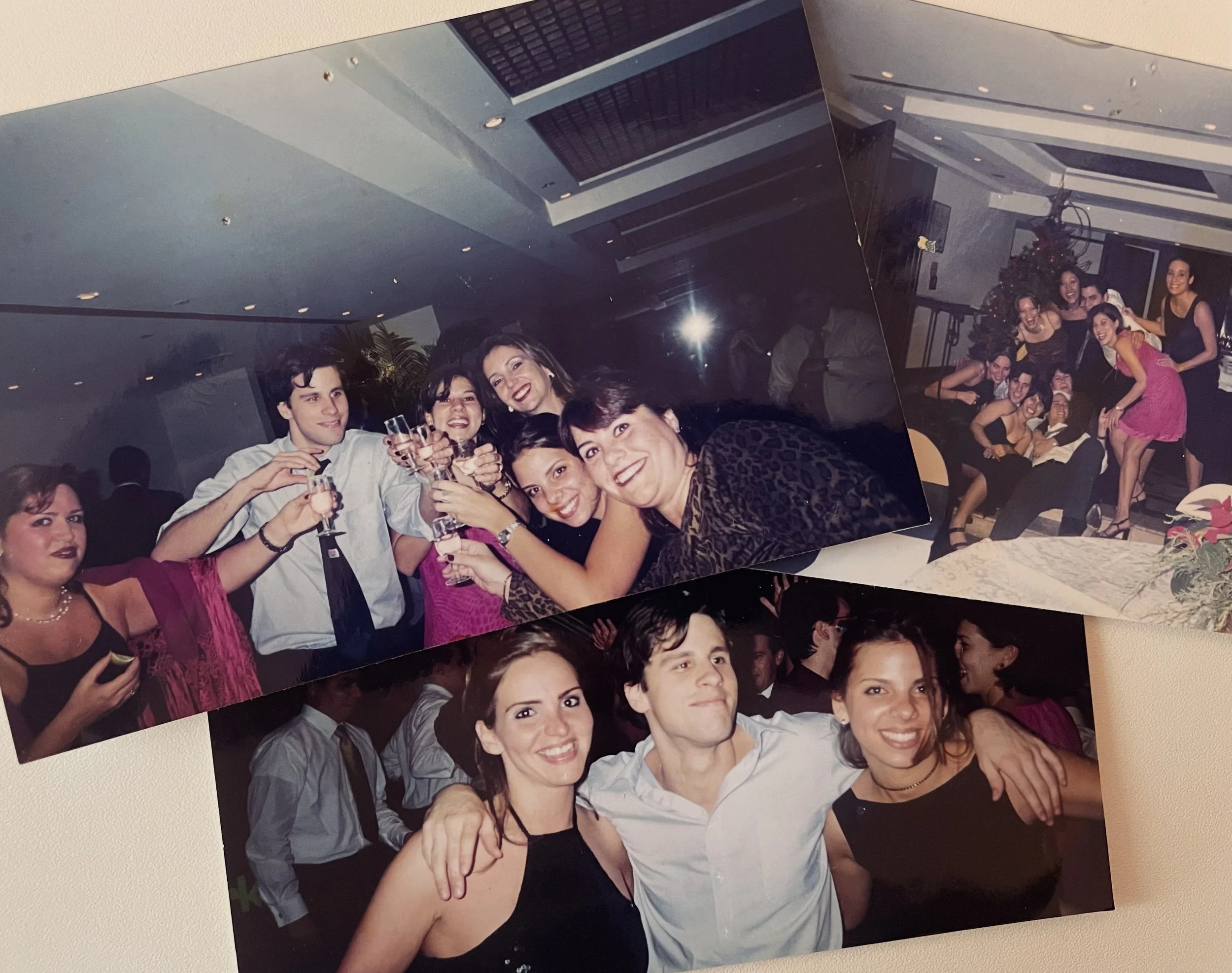
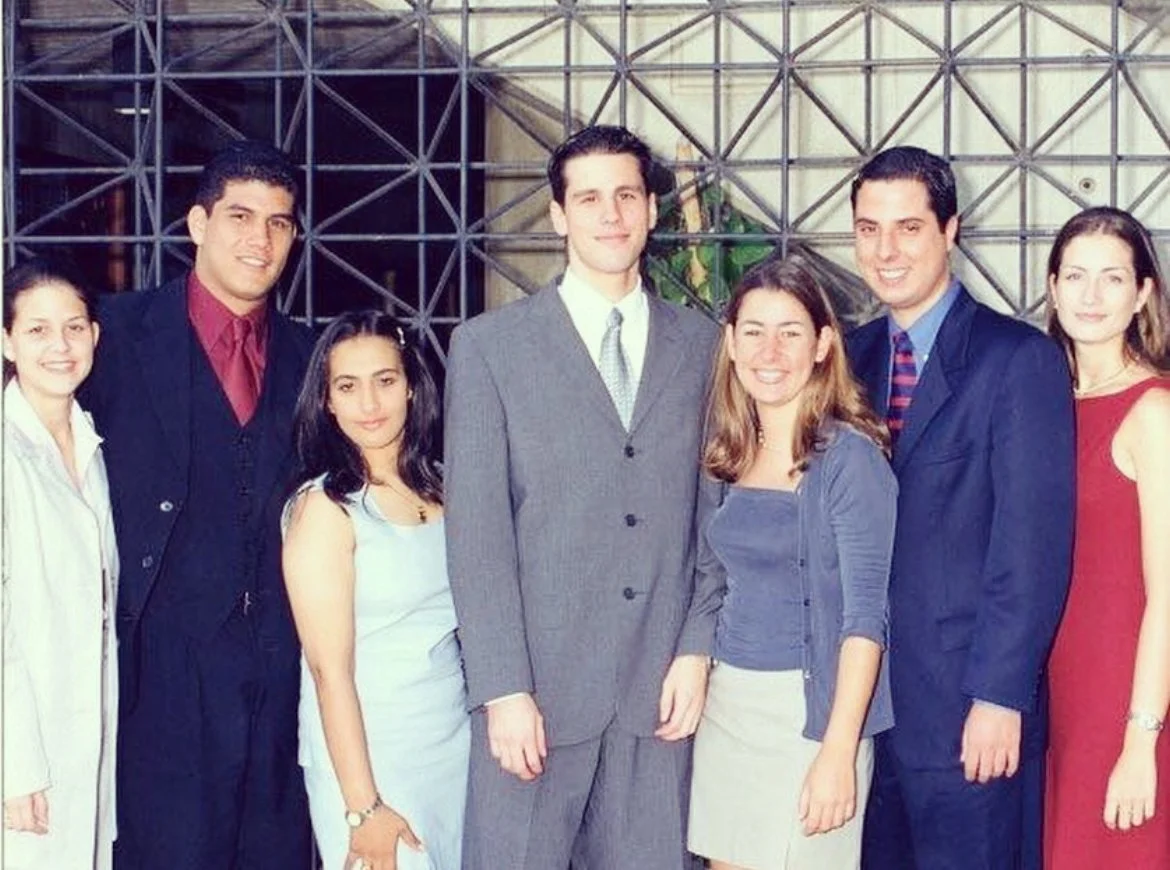
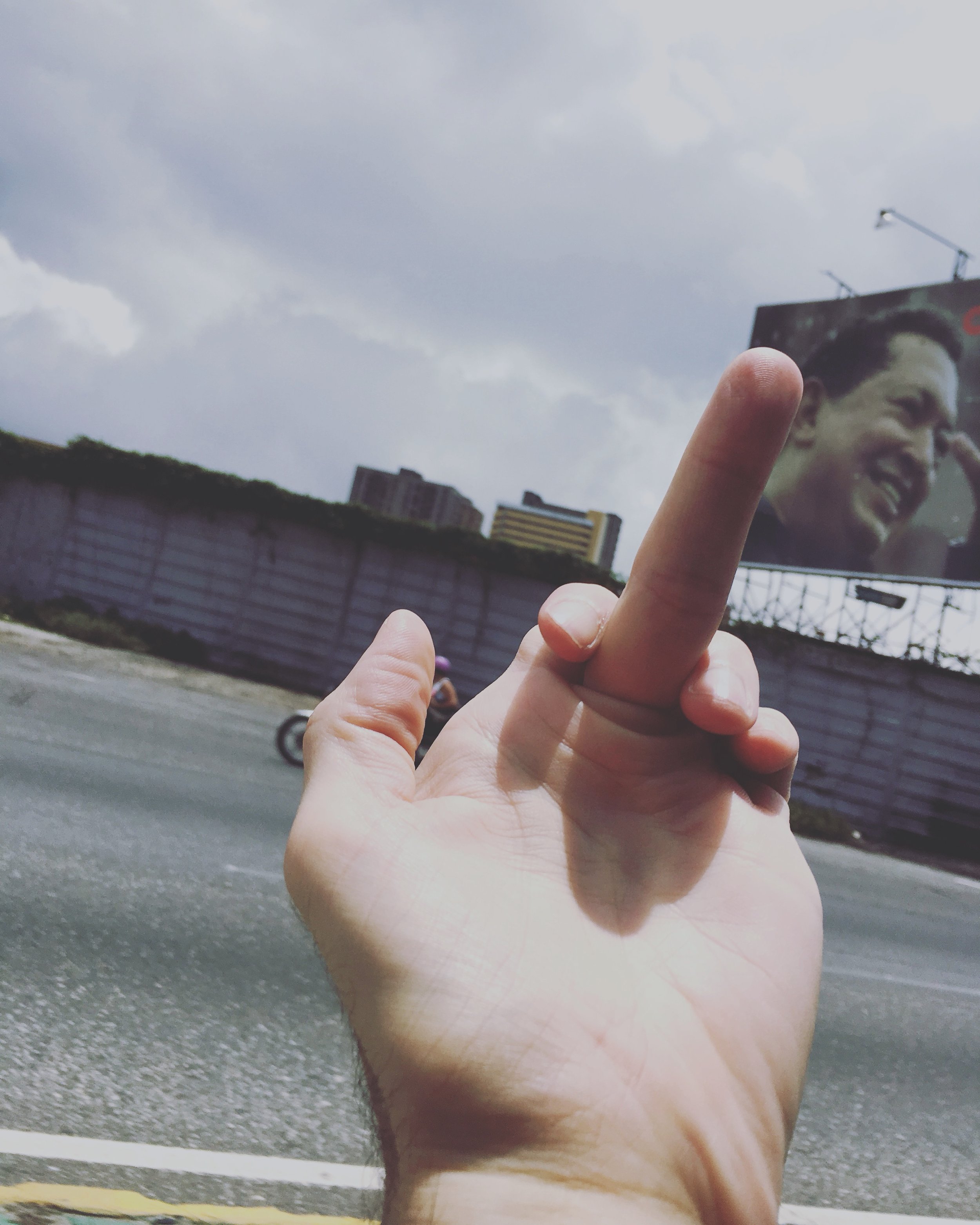
December 2000, just a few days before I left Venezuela.

Looking at these photos now, I don’t think a single person in them still lives in the country. Even the airline we all worked for at the time, KLM, stopped operating in Venezuela a long time ago, as have most of the carriers that once connected our country to the rest of the world.


Thursday, January 8, 2026

Hoy quiero dar las gracias. En los últimos días he recibido muchos mensajes de amigas, amigos y colegas en distintas partes del mundo que se preocupan por la situación de Venezuela. Cada mensaje que he recibido ha partido del respeto, afecto e interés genuino por entender lo que todo esto significa para mí como venezolano.

Percibo un consenso claro en mi entorno: Venezuela debe volver a la democracia que le arrebató el chavismo, y debe hacerlo en paz. Al mismo tiempo, es innegable que la forma en que Maduro fue apartado del poder, así como el nuevo escenario político y económico en Venezuela, implican riesgos serios para el equilibrio geopolítico global. En este sentido, nuestro punto de encuentro es la esperanza de que los venezolanos podamos recuperar nuestra libertad sin que a otros pueblos les cueste la suya.

Gracias de corazón por cada palabra y gesto de solidaridad.

Today I want to express my gratitude. In recent days, I have received numerous messages from friends and colleagues in different parts of the world who are concerned about the situation in Venezuela. Every message I’ve received has come from a place of respect, affection, and genuine interest in understanding what this moment means for me as a Venezuelan.

I sense a clear consensus around me: Venezuela must return to the democracy that chavismo took away, and it must do so peacefully. At the same time, it is undeniable that the way Maduro was removed from power, as well as the new political and economic landscape in Venezuela, carries serious risks for global geopolitical stability. In this sense, the common ground we share is the hope that Venezuelans may recover our freedom without it coming at the expense of others.

My heartfelt thanks for every word and gesture of solidarity.


Wednesday, January 7, 2026

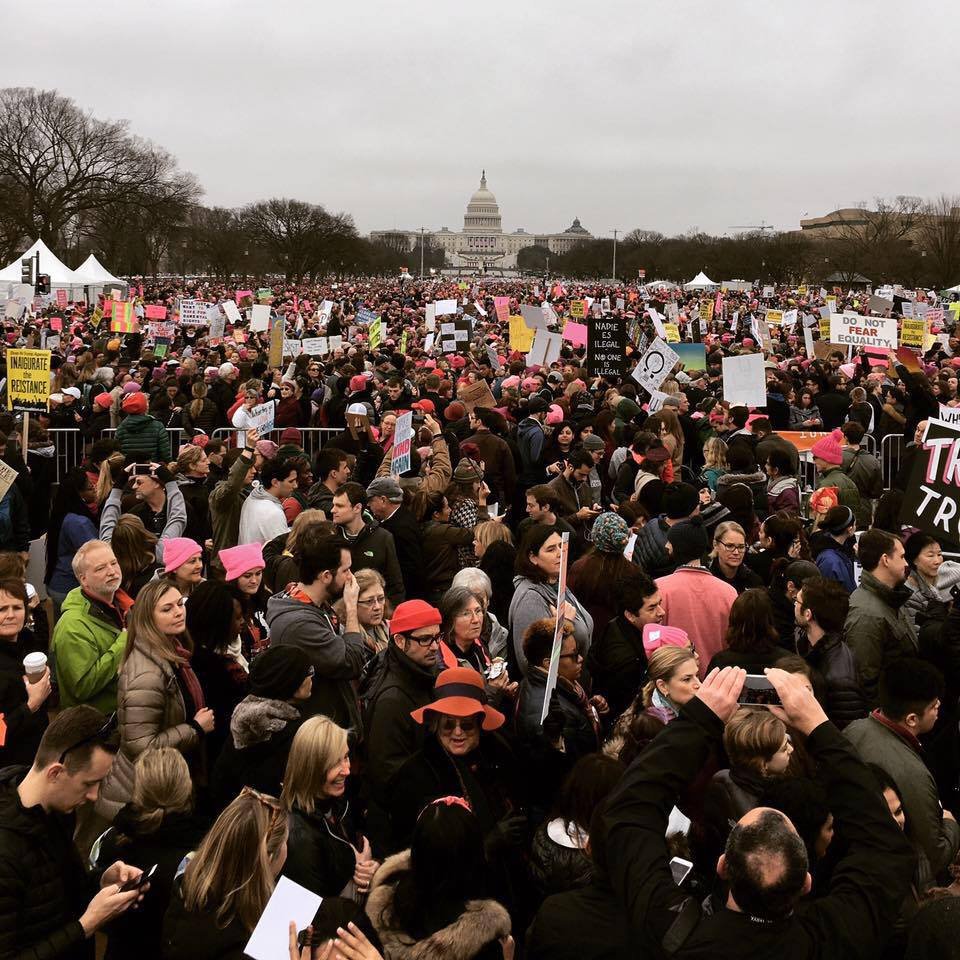
Here I was on January 21, 2017, the first day of Trump’s first presidency, at the Women’s March on Washington.

I’m an immigrant (twice an immigrant, in fact) with a multicultural background. I’m also a middle-aged, married gay man and a feminist art historian. For these and other reasons, I’ve consistently voted center-left throughout my adult life. I’ve cast ballots for Barack Obama, Hillary Clinton, Joe Biden, Kamala Harris, and other leftwing candidates at every level of government. Most importantly, I’ve voted against Donald Trump three times. And in Venezuela, I most recently voted for Tamara Adrián, the first trans woman legislator in the country, during the opposition primaries ahead of the 2024 presidential elections.

My voting history reflects a set of principles I believe in: gender and racial equality, LGBTQ+ rights, women’s right to bodily autonomy, respect for the dignity of immigrants and incarcerated people, freedom of speech, and the separation of church and state. These same principles underpin my opposition to the chavista regime in Venezuela — a militarized authoritarian system responsible for widespread extrajudicial killings, thousands of political prisoners, and the mass exodus of nearly nine million Venezuelans over the past decade.

I deeply reject Trump’s authoritarian turn in the United States, just as I celebrate the fall of Nicolás Maduro in Venezuela. I dare to hope that democracy might finally return to my country of birth, even as I worry about the global implications of the budding revival of the Monroe Doctrine.

This is not a contradiction. It’s simply me, one person, trying to hold on to a set of values in a world that’s not as neat as a theory text dissected in a seminar room or a curator’s label framing an artwork on a gallery wall. Life is messy. It unfolds between our certainties, in the spaces they can’t explain.


Tuesday, January 6, 2026

Right after Hugo Chávez came to power in 1999, his ruling party began dismantling Venezuela’s democracy from within. The first step was the adoption of a new constitution through a so-called “Constituent Assembly,” a mechanism that did not exist under the constitution in force at the time. The “Bolivarian Revolution” was built on a framework adopted illegally, in an atmosphere of collective euphoria.

I remember that moment vividly. This photo is from around that time. I was finishing my law studies in Caracas, watching in disbelief as Chávez managed to get an illegally formed body grant him a constitution tailor-made for his authoritarian ambitions. Crucially, the 1999 constitution introduced the immediate re-election of the president—a possibility barred by the previous one as a safeguard against the concentration of power in a single party. All of this happened with little resistance. Chávez’s charisma was enough to gloss over the fundamental illegality unfolding in plain sight.

That was the founding event of the chavista tyranny, a system of electoral authoritarianism that took shape gradually, amid the spectacle of regular and increasingly compromised elections and requiring a subsequent amendment to that same constitution. Attending this process was a deliberate escalation of state repression against Venezuelans, resulting in thousands of extrajudicial executions and more than twenty thousand political prisoners to date. And all along, there was seemingly nothing the international community could do to help us break free from a carefully engineered system of oppression.

The climax of chavismo’s illegitimacy came with the July 2024 presidential election, in which ruling dictator Nicolás Maduro was resoundingly defeated by Edmundo González Urrutia and nevertheless refused to relinquish power.

I find it comical to see people—mostly non-Venezuelans, mind you—decry that Venezuela’s “president” has been abducted. Yes: a man was extracted a few days ago by the U.S. military from Caracas to face justice in an American court. That man was many things. But Venezuela’s legitimate president he was not.


Tuesday, January 6, 2026

This passage from María Corina Machado’s Nobel Peace Prize acceptance speech encapsulates my family’s history:

“Venezuela also became a refuge.

We opened our arms to migrants and exiles from every corner of the earth: Spaniards fleeing civil war; Italians and Portuguese escaping poverty and dictatorship; Jews after the Holocaust; Chileans, Argentinians, and Uruguayans escaping military regimes; Cubans escaping communism; and families from Colombia, Lebanon, and Syria seeking peace.

We gave them homes, schools, safety. And they became Venezuelans.”

I am the son and grandson of Lebanese immigrants and Spanish Republican exiles—foreigners who married into a family with Venezuelan roots going back to the founding of Caracas, five centuries ago.

My maternal grandmother is still with us. At 97, she has lived two exiles: first, as a girl, fleeing Franco’s Spain with her parents to Venezuela; and then, as an old woman, leaving chavismo’s Venezuela with her children, back to her country of birth. She now spends the last years of her life on the outskirts of Madrid. But her heart is in Caracas, the place where she truly belongs.

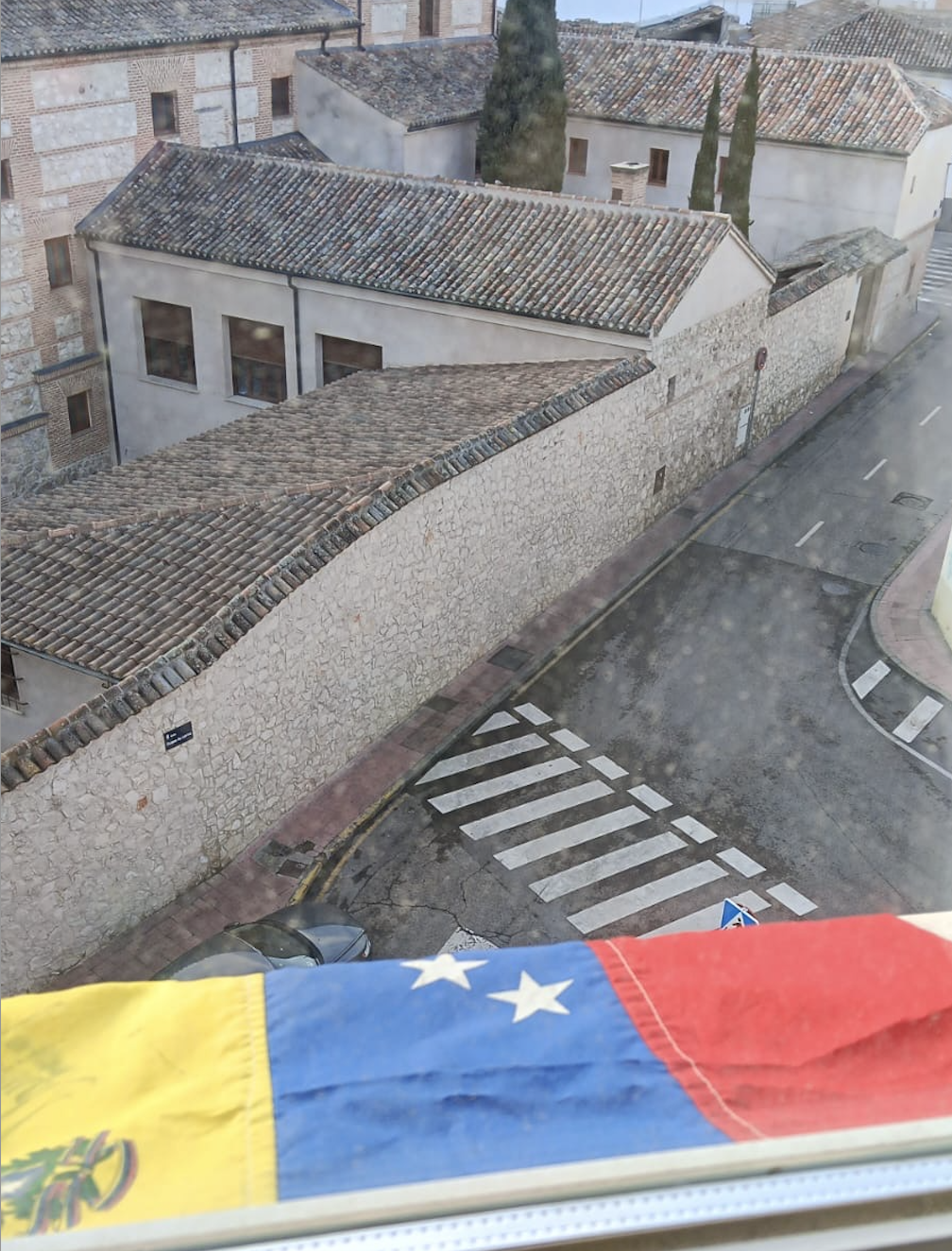
Last Saturday, when news broke that Nicolás Maduro and Cilia Flores were on their way to prison, my grandmother asked my aunt to hang the Venezuelan flag from their window.

I know that my grandmother’s last remaining wish is to die in her home in Caracas, overlooking El Ávila—the mountain range that shelters our city. I don’t know whether that wish will be fulfilled. But I am grateful that, unlike her beloved husband, my grandfather Oscar, she has lived long enough to witness a measure of justice finally reaching the criminal clique that destroyed our country and upended our lives.

📷: @susanarodriguezyarnoz


Monday, January 5, 2026

Recientemente, alguien que conozco me contó una anécdota que me indignó profundamente. Me reservo algunos detalles por razones de confidencialidad.

La persona en cuestión —como yo, parte de la diáspora venezolana— había recibido una invitación a una celebración por una efeméride de especial significación en ese país. A la reunión asistiría un pequeño grupo de académicos, investigadores y artistas, residentes en esa ciudad pero provenientes de distintos países de América Latina. Personas formadas, identificadas con ideales de igualdad y justicia social.

Quien me contó la anécdota preguntó si podía asistir en compañía de un migrante venezolano recién llegado a la ciudad, un muchacho pobre, sin familia ni amigos con quienes compartir una fecha significativa en su país de acogida.

La respuesta fue que se prefería que asistiera sin compañía, ya que en la reunión se abordarían temas de actualidad política suramericana, y lo que allí se comentaría resultaría incómodo para un migrante venezolano, presumiblemente simpatizante del ideario de Trump, Milei, Kast, Bukele y Abascal.

En el choque entre teoría y experiencia, esos y tantos otros observadores externos —ilustrados y seguramente bienintencionados— prefieren seguir aferrados a proposiciones abstractas antes que abrir la escucha al relato de quienes padecemos la opresión de las únicas dictaduras vigentes en nuestro hemisferio: Venezuela, Nicaragua y Cuba.

Naturalmente, quien me contó la anécdota declinó la invitación y celebró la ocasión en su casa, en compañía de su nuevo amigo migrante.

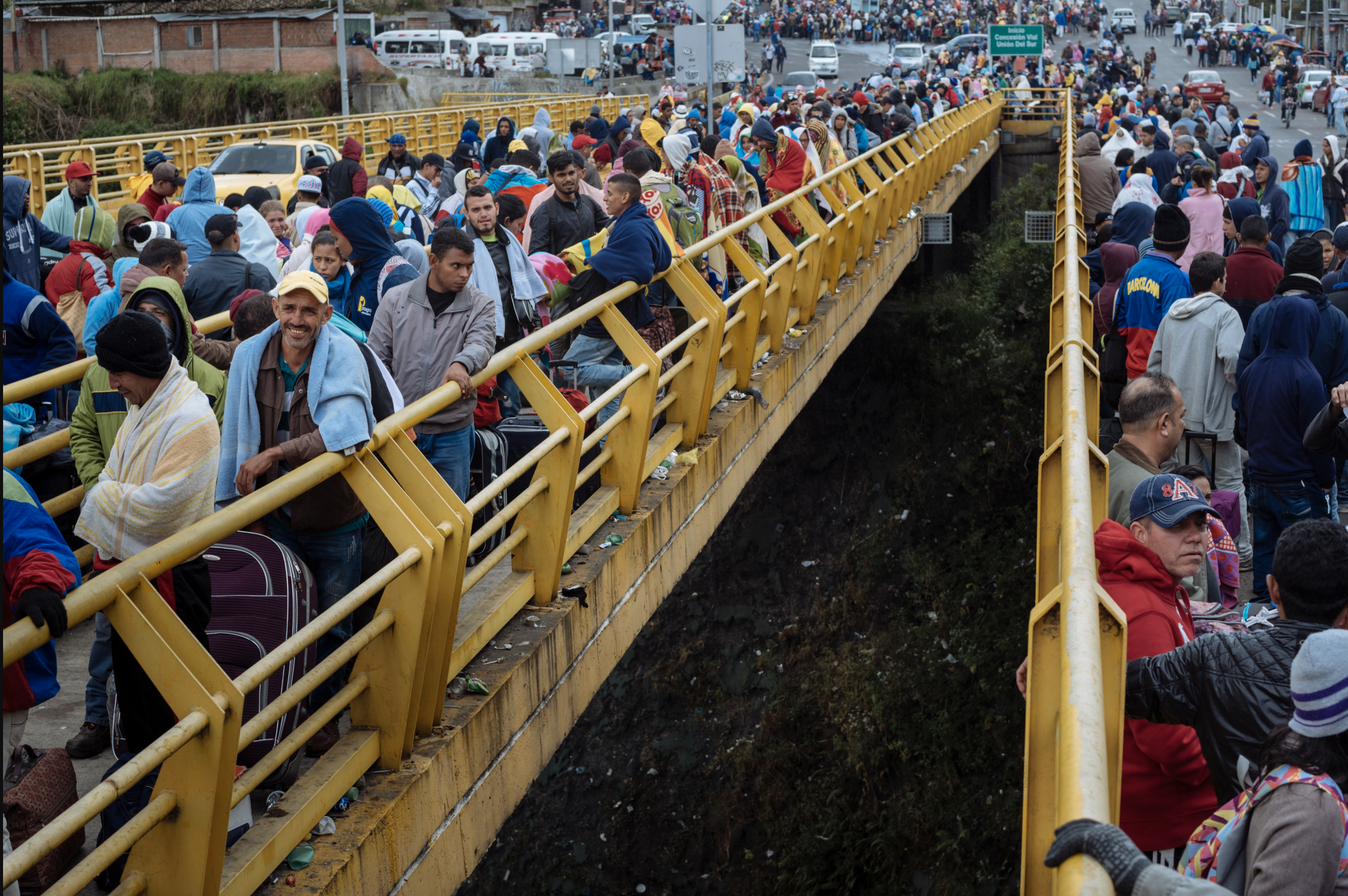
No puedo dejar de pensar en la distancia que separa a quienes ocupamos posiciones académicas o culturales y nos asumimos como sujetos críticos, de la realidad cotidiana de millones de venezolanos que han preferido arriesgar la vida cruzando el continente a pie que seguir sometidos al paraíso socialista y antiimperialista del chavismo.

He sido votante de izquierda toda mi vida. Por eso me duele que tantas personas queridas y respetadas, capaces de amplificar nuestras voces, insistan en mantener sus oídos cerrados mientras corean consignas cuyos únicos beneficiarios son nuestros opresores.

📷: ©UNICEF/ECU/2018/Arcos


Sunday, January 4, 2026

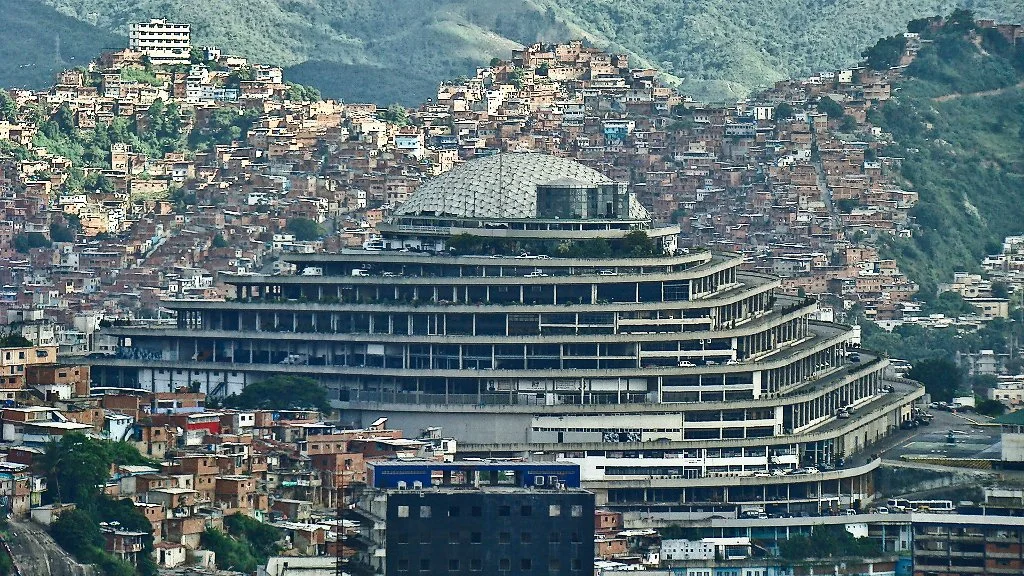
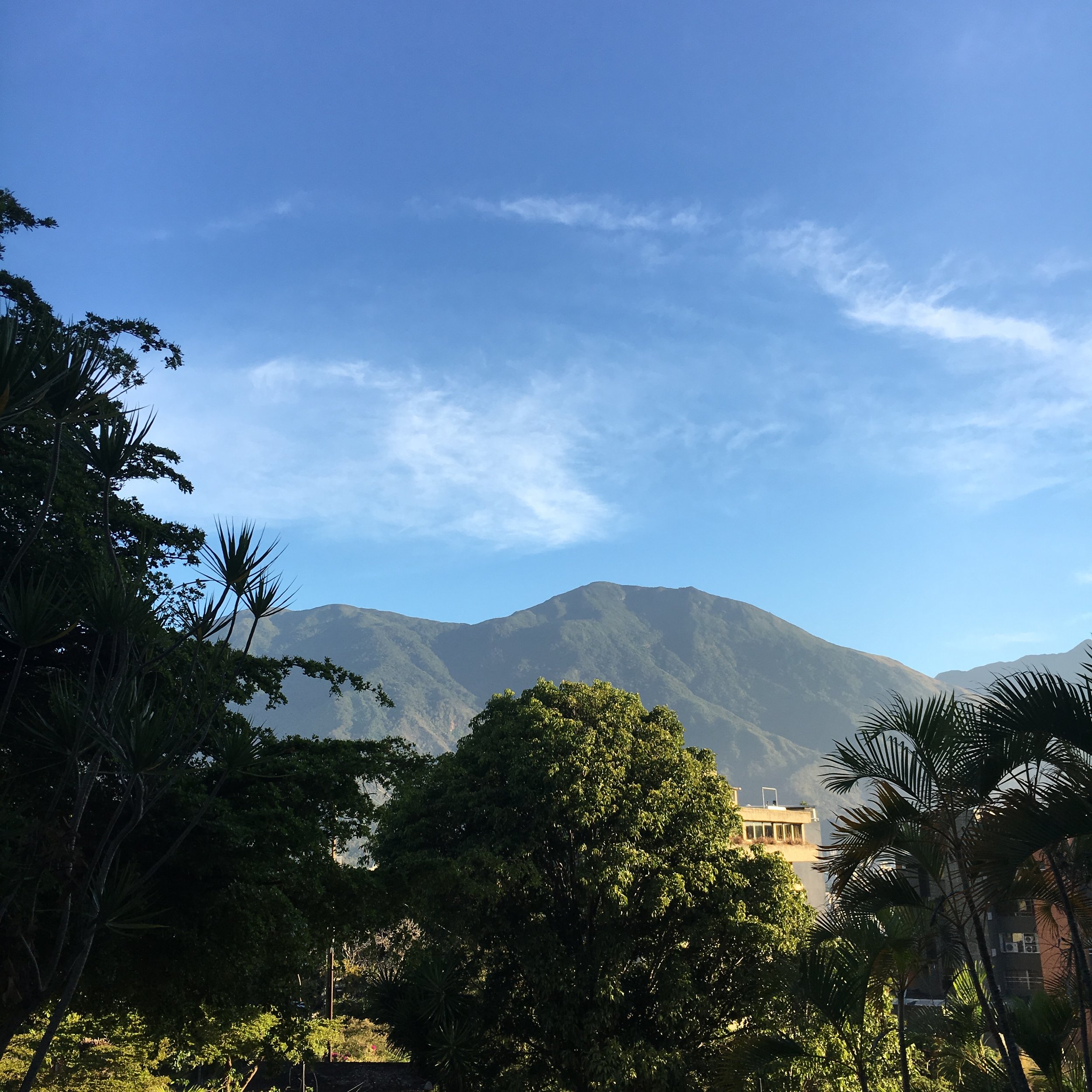
Here is a picture of Caracas, which I took the last time I was there, many years ago. I am suddenly hopeful that I may be able to visit soon and bring Christian along so that he can experience firsthand the magic of my hometown, la Sultana del Ávila.

A new era has begun in Venezuela. Nicolás Maduro is no longer in power. His fall and the possibility of the chavista regime’s final collapse are cause for celebration and cautious hope.

If you are not Venezuelan and feel compelled to speak on our behalf, I ask that you first pause to listen to our voices. Please consider the significance of this moment from the perspective of our lived experience of chavismo’s catastrophic 27-year rule.

My distrust of the actors driving events right now is profound. And yet, I acknowledge the possibility that Venezuela may soon be reunited with the democratic world. Millions of Venezuelans may find their way back home. I will not be among them, but I will weep tears of joy as I watch them return.

No one can accurately predict how events will unfold. The coming weeks and months will be confusing, maddening even. But history reminds us that unexpected paths to democracy are possible. Few could have imagined that Juan Carlos de Borbón, Francisco Franco’s chosen successor, would play a key role in Spain’s democratic transition and reintegration into Europe. Keeping all historical differences in view, we should also remember that a people’s liberation from tyranny has sometimes required the intervention of foreign powers acting in self-interest—Germany’s deliverance from Nazi rule by the combined forces of the United States and the Soviet Union being an obvious example.

A US-led military operation removed Nicolás Maduro from power. But the success of that operation rested on conditions made possible by millions of Venezuelans engaged in a shared, long struggle for the return of democracy to our homeland. Maduro is gone. Our challenge now is to claim agency within a rapidly shifting geopolitical landscape.

May the promise of Venezuela’s reintegration into the world become the common ground on which a peaceful transition back to democracy can unfold.


Saturday, January 3, 2026

Dear friends,

As you try to make sense of what is happening in Venezuela today, I urge you to keep in mind a set of fundamental facts.

The chavista regime is a brutal military dictatorship, responsible for thousands of extrajudicial killings, tens of thousands of political prisoners, and the mass exodus of nearly nine million Venezuelans over the past decade.

Moreover, Nicolás Maduro lost the July 2024 presidential election by a landslide. He was defeated by the unity candidate of the democratic opposition, Edmundo González Urrutia. This outcome was recognized by the European Union, the United States, and most other democratic countries around the world, as well as by independent and impartial election observers, including the Carter Center.

The legitimate president of Venezuela is Edmundo González Urrutia.

May this confusing moment open the way to a peaceful and democratic transition, and to Edmundo González Urrutia taking the oath of office as the legitimate president of Venezuela, with María Corina Machado as vice president.


Saturday, January 3, 2026

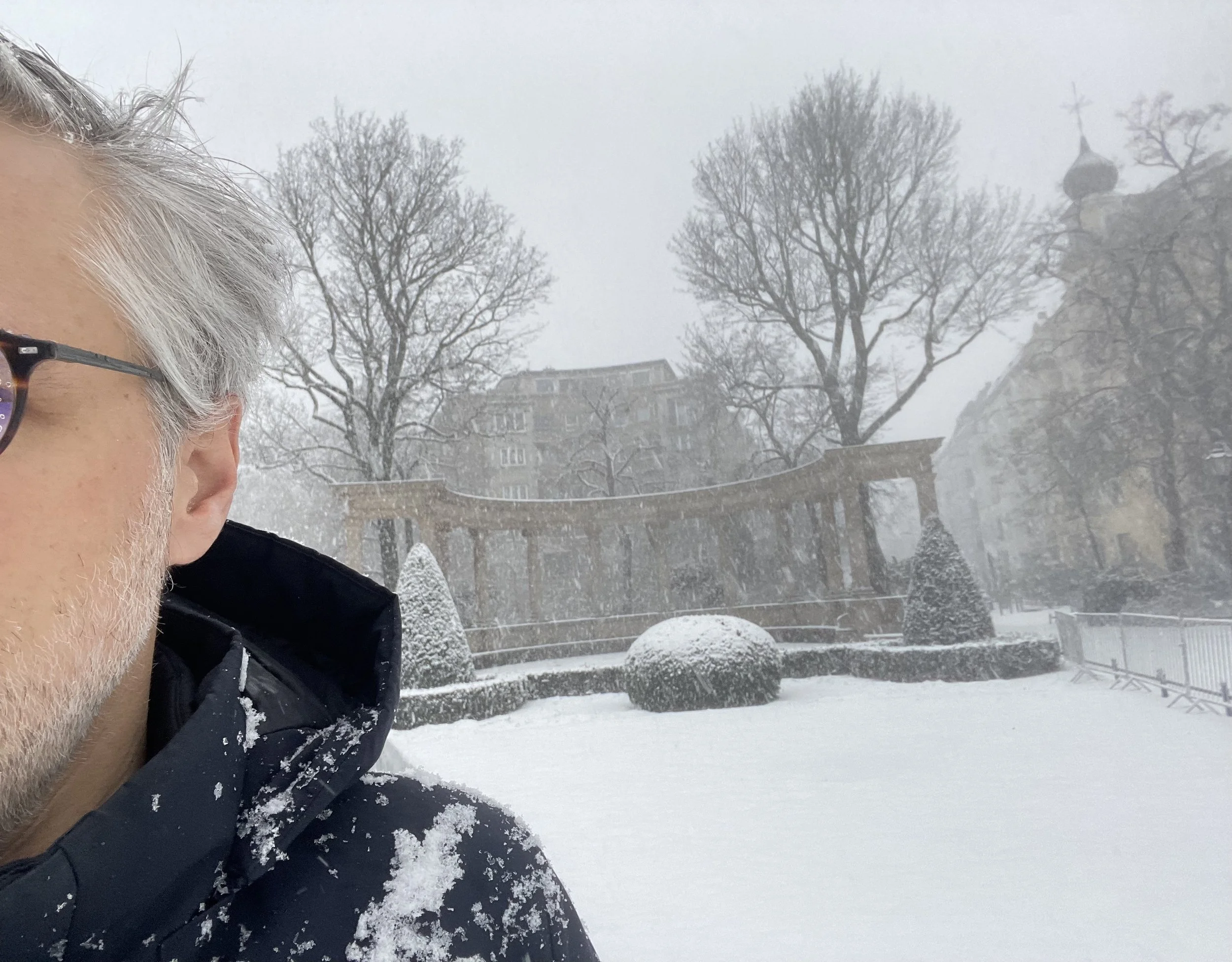
Amanece en Berlín con el corazón en Caracas.